
How to Play the Canfield Opening
The opening is four face-up column cards, one reserve card, and a foundation rank. Play the reserve top when it fits. Draw from the stock only after the waste card has nowhere to go. An empty column takes any single card, so the first one you park there should already have a next move.
Four opening priorities
Read the reserve before the columns
The opening shows one face-up card on the reserve and one in each column. The rest of the reserve and the stock are still face down.
Note the base rank
The card already on a foundation is the starting rank for all four piles. Every later foundation card has to match that sequence.
A neat column is not the first job
Moving the four face-up cards around does not turn the next reserve card. Play the reserve top when it fits, then look at the columns.
The first move needs a second move
If you cannot say where the card goes after this play, the move is only rearranging the opening.
Ask these before the first waste pass
Should I draw right away?
Usually no. Play the reserve top and any column card that fits first. The stock turns one card. Drawing while the waste card can still move buries it for the rest of the pass.
Is the first empty column worth making?
Only when the card you place there has a later move, or clearing the column lets the reserve top play. An empty column takes any single card, so it is easy to fill and hard to get back.
Should the first matching card go to a foundation?
Play it home when no column needs it as a connector. If it is the only card the next column card can land on, leave it for one move.
What if the first waste card cannot move?
Check the reserve and the four columns again before you draw. If the previous draw buried a card you needed, undo. A stuck waste card is not a reason to keep drawing.
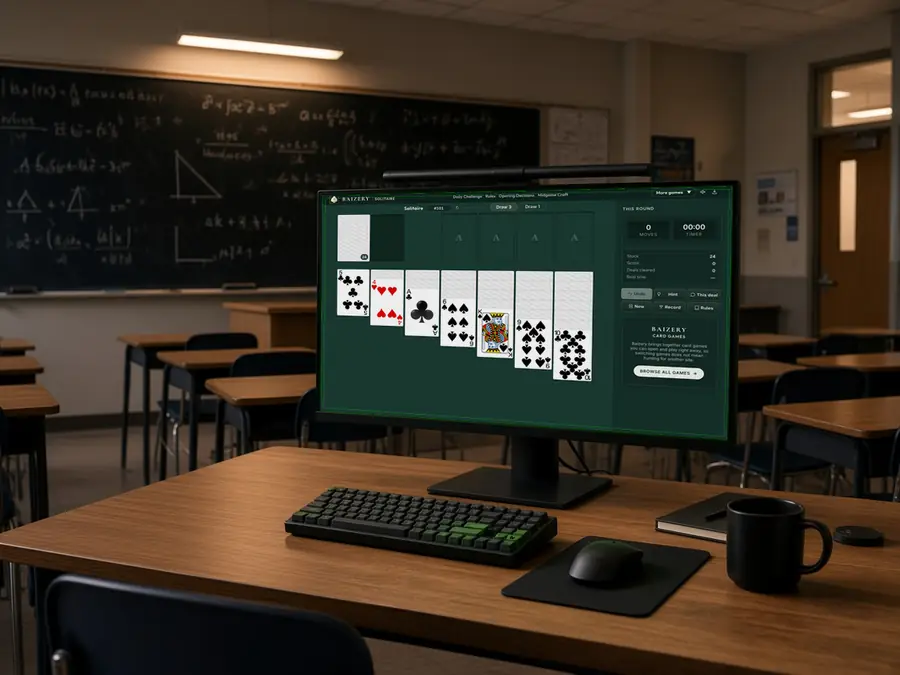
The reserve turns one card at a time
You cannot see the next reserve card until the top one leaves. The opening question is whether that visible card can move now, not which column looks longest.
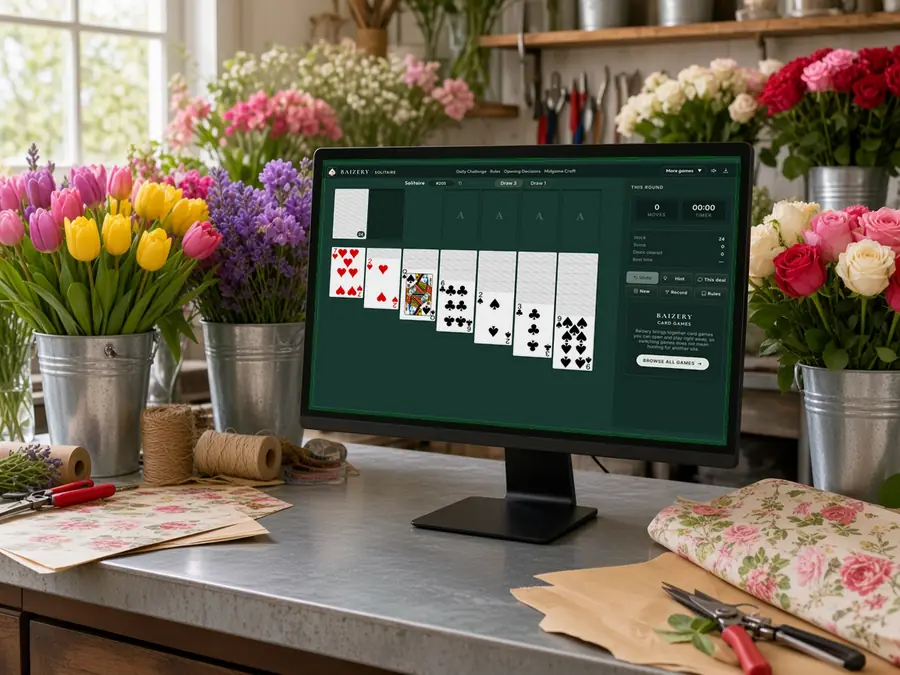
Do not fill the first empty column just because you can
A cleared column accepts any single card. That freedom is useful when the parked card can move again. It is a problem when the card sits there for the rest of the deal.
Draw after the board has stopped
The stock adds one waste card. Use a waste card that can move before you cover it. The first pass sets which cards you will see again when the waste is turned over.
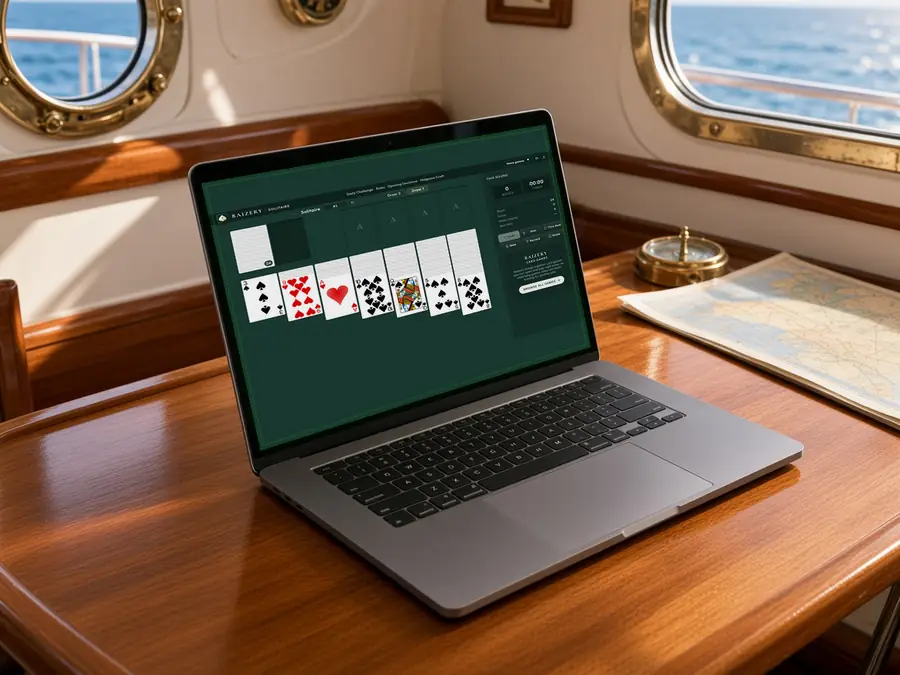
Foundations can wait one move
Building from the shared base rank is the way the deal is won. It is still early to build a card home if a column is using that card as its only landing spot.
Opening FAQ
What is face up at the start?
The top reserve card, one card in each of the four columns, and the foundation card that sets the base rank. The other reserve cards and the stock are face down.
Are there face-down cards under the columns?
No. Each column starts with a single face-up card. Face-down cards are in the reserve, under the top card, and in the stock.
Should I clear a column in the opening?
Clear it when the card you place there has a next move, or when clearing it lets the reserve top play. An empty space with no plan is just a card sitting still.
Is Undo a normal opening move?
Yes. One bad fill of the only empty column, or one extra draw, can block the reserve. Taking that move back is part of reading the opening.
What opening mistake is hardest to repair?
Drawing over a waste card that could have moved, then filling the empty column with a card that cannot move again.
Carry it into the midgame
Keep the reveal habit
If a move does not play the reserve top, free a matching foundation card, or put a movable card in an empty column, it is only rearranging the four face-up cards.
Next up
Once the reserve top and the first waste card are both accounted for, read the midgame notes and play a numbered deal with the same checks.