
How to Play Canfield
Canfield uses one deck. Thirteen cards go to the reserve, four columns each start with one face-up card, and the next card sets the rank for all four foundations. You move one card at a time. An empty column takes any single card. The stock turns one card onto the waste.
Four rules that decide a legal move
Build down in alternating colors
A column takes one card of the opposite color and the next rank down. You cannot move a whole run. Only the top card of a column, the reserve, or the waste can move.
Only the top waste card moves
The stock turns one card onto the waste. Play that card before you draw again. When the stock is empty, the waste can be turned over for another pass.
Foundations share one starting rank
The card turned up after the columns sets the rank for all four foundations. Each suit builds up from that rank, and Ace follows King. A legal build is not always the move you want if that card is still connecting a column.
An empty column takes any card
A cleared column accepts any single card, not only a King. Because you move one card at a time, decide where that card goes next before you fill the space.
Four questions before the deal gets tight
What should I look at first?
Read the top reserve card, the base rank on the first foundation, and the four face-up column cards. The reserve and the stock still hide cards. The columns do not start with face-down cards underneath.
When should I draw from the stock?
Draw when the waste card has nowhere to go, and the reserve top and the columns have no better move. If the waste card can still be played, drawing buries it.
Why can a tidy board still stall?
You can line up the columns and still leave the reserve top blocked, fill the only empty column with a card that cannot move again, or draw past the waste card you needed.
When should I undo?
Undo if you filled the only empty column without a next move, drew over a playable waste card, or built a connector onto a foundation and stranded a column. The earlier you undo, the more of the deal you still have.
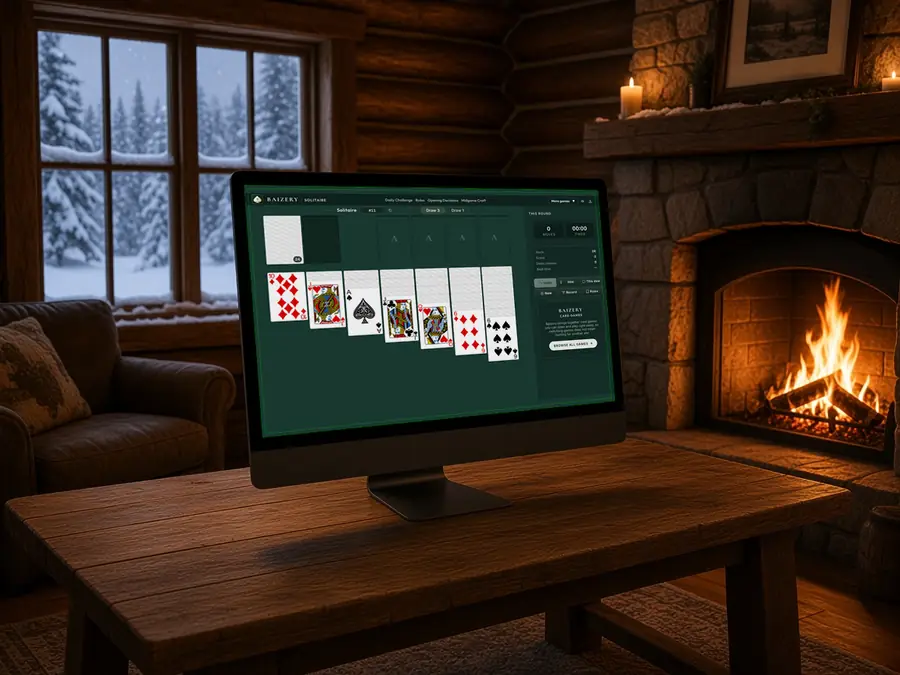
Play the reserve top before you tidy the columns
Only the top card of the 13-card reserve can move. When it leaves, the next card turns up. Check that card before you spend a move rearranging the four columns.
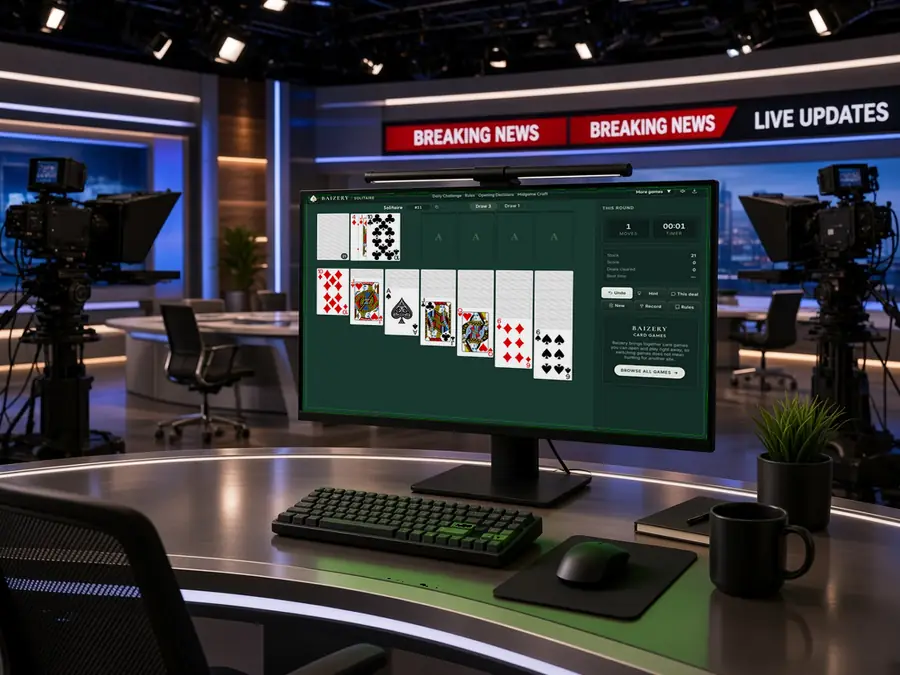
The stock turns one card
Each draw puts one card on the waste, and only that card can be played. Another draw is useful when the current waste card is stuck. It is expensive when that card still had a place to go.
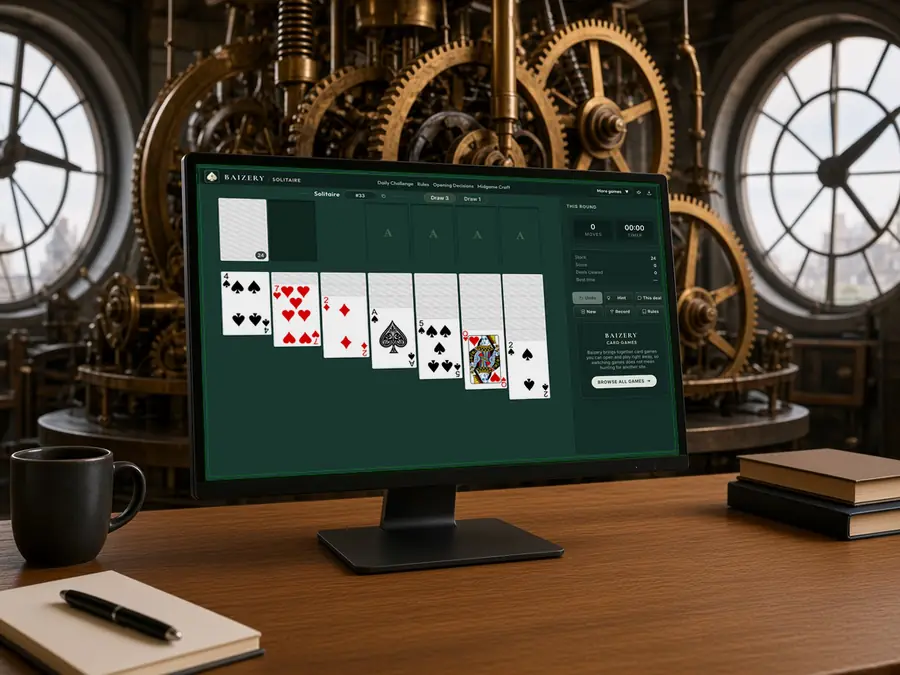
An empty column is one parking space
You may place any single card in a cleared column. It is not reserved for a King, and it does not accept a run. Use it when the parked card has a later move.
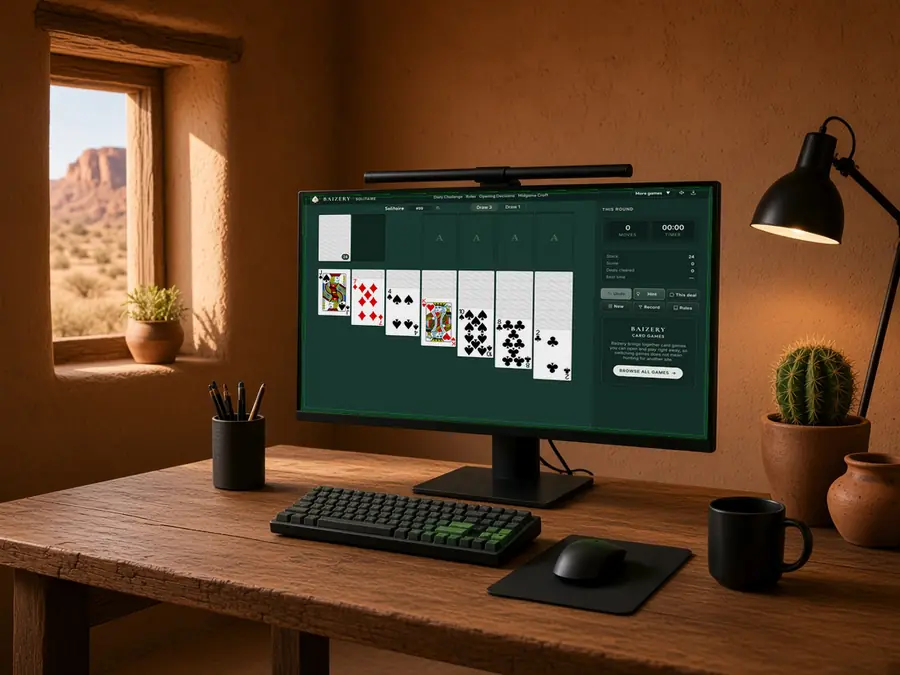
Build foundations from the opening rank
All four foundations start at the same rank and build up in suit. Ace follows King. Move a card home when a column no longer needs it as a connector. The top foundation card can come back to a column if the column can take it.
Canfield Rules FAQ
What is the goal in Canfield?
Move all 52 cards onto the four foundations. Each foundation builds up in suit from the rank of the card turned up at the start, and Ace follows King.
How many cards does the stock turn?
One. The top waste card is the only waste card you can play. When the stock is empty, you can turn the waste over and draw through it again.
Can I move a face-up run together?
No. Canfield on this site moves one card at a time. A column still has to build down in alternating colors.
Does an empty column have to take a King?
No. A cleared column accepts any single card. That is one of the differences from Klondike.
Can a foundation card come back down?
The top card can move to a column when the column can take it by color and rank. Undo returns the whole previous position.
Does the same deal number always deal the same cards?
Yes, for deals 1 through 1,000,000. The number is for replay and for sending a friend the same opening. It does not mean every deal can be won.
Read this, then play a hand
Two checks worth keeping
Before you move, see whether the top reserve card can play. Before you draw, see whether the waste card still has a place to go.
Where to go next
Read the opening notes, then the midgame notes, then go back to the table and play one numbered deal with those checks in mind.